Situation Reports

Prospects for Ground Invasion in the War against Iran’s Islamic Regime

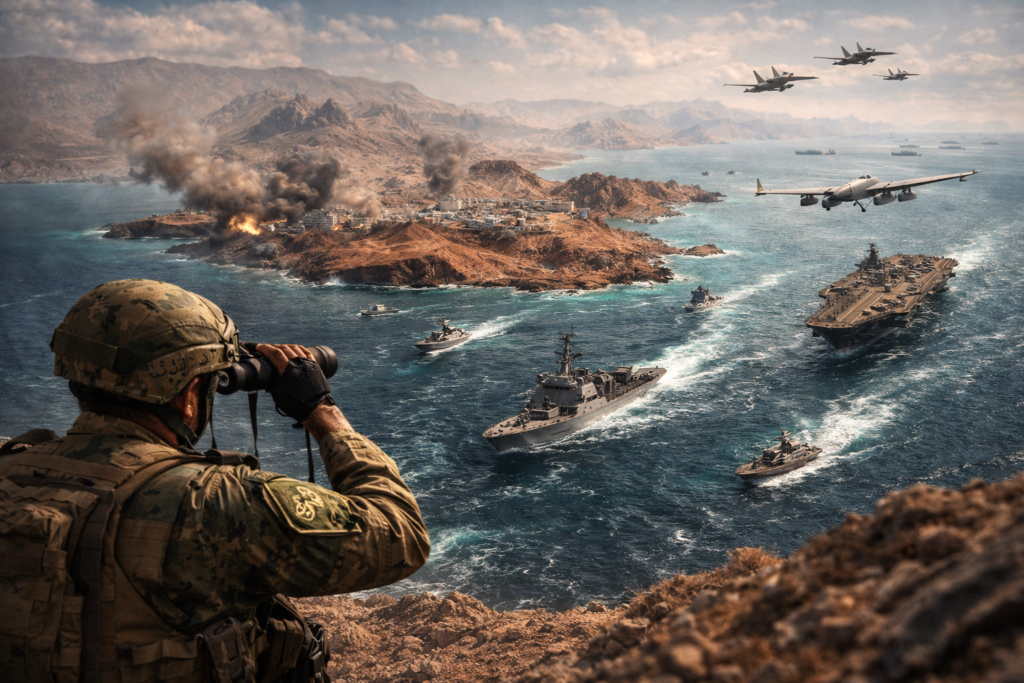
Situation Report: Prospects for Ground Operations in the War Against Iran’s Islamic Regime (As of 3 April 2026) The air and naval phase of Operation Epic Fury, initiated on 28 February 2026 by the United States and Israel, has now entered its second month. With the regime’s senior leadership eliminated, including Supreme Leader Ali Khamenei, […]

Prospects for Ground Invasion in the War against Iran’s Islamic Regime Read More »

Contemplations, Situation Reports

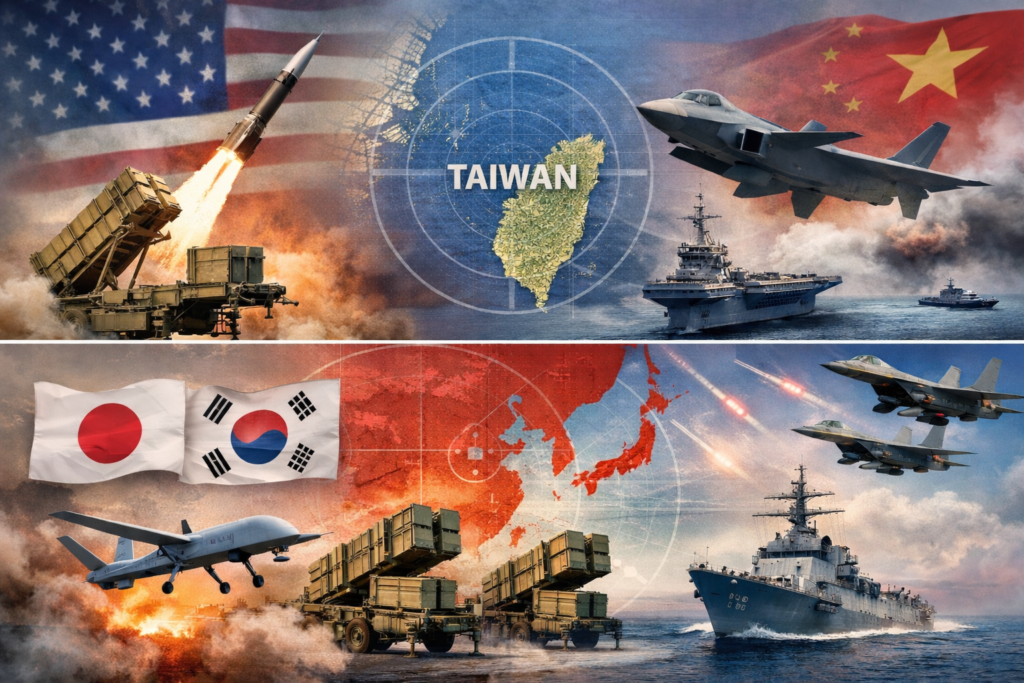
Situation Report: China’s posture in taiwan

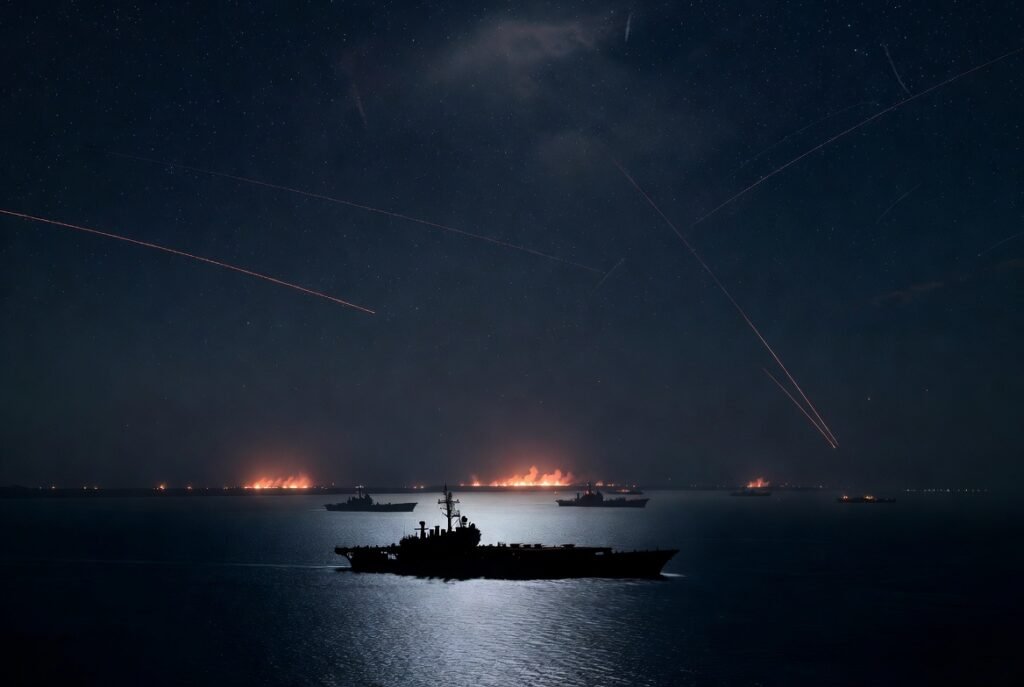
What is happening in Iran does not stay in Iran. The scale and tempo of the conflict—particularly the heavy use of missiles and air defense systems—are already forcing a quiet reassessment elsewhere. In East Asia, the question is not framed in dramatic terms. It is more practical: how sustainable is modern warfare when it unfolds at this pace, and across more than one theater?

Beijing appears to be treating the conflict as a source of observation rather than intervention. There is little indication of direct involvement, but considerable attention to how operations are conducted—how air defenses hold, how quickly precision munitions are expended, and how the United States manages simultaneous commitments.

For Taiwan and regional actors, the implications are similarly measured. The focus is less on immediate shifts in power and more on longer-term preparedness: supply chains, production capacity, and the balance between reliance on partners and domestic capability.

What emerges is not a sense of instability, but of adjustment. The conflict is prompting a closer look at assumptions that have long been taken for granted—about readiness, resilience, and the practical limits of deterrence in a world where crises are no longer contained to one region at a time.

Situation Report: China’s posture in taiwan Read More »

Situation Reports

Situation Report: Military Developments and Scenarios in the 2026 U.S.–Israel War on the Islamic Regime

The current campaign against the Iranian regime is not simply a war of firepower—it is a contest between competing military logics. The United States and Israel have pursued a precision-strike model designed to decapitate leadership, dismantle missile infrastructure, and impose rapid strategic paralysis. In contrast, the regime has shifted into its long-prepared Mosaic Defence posture, dispersing authority, absorbing shocks, and extending the battlefield across the region through proxies and asymmetric pressure.

What emerges is not a conventional war with a clear front, but a layered confrontation: air supremacy versus endurance, precision versus dispersion, speed versus time. The trajectory of the conflict will not be determined solely by battlefield outcomes, but by whether pressure fractures the regime from within—or whether its decentralized structure succeeds in turning this into a prolonged war of attrition.

Situation Report: Military Developments and Scenarios in the 2026 U.S.–Israel War on the Islamic Regime Read More »

Situation Reports

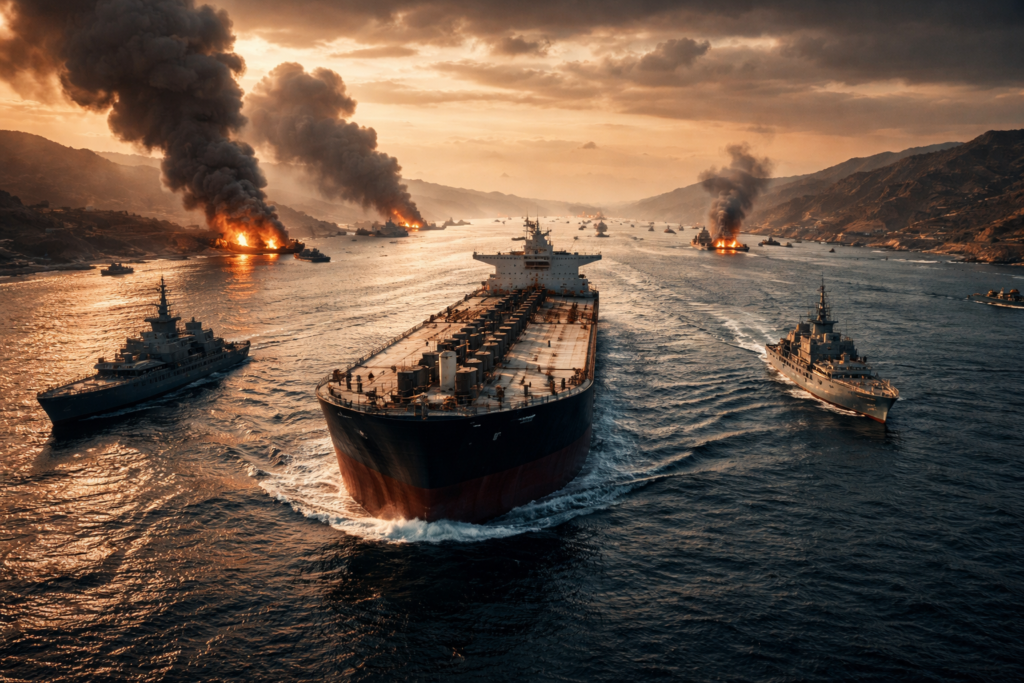
When Hormuz Closes: Global Shockwaves, Strategic Rivalry, and the Road to Recession

The sudden closure of the Strait of Hormuz has sent shockwaves through global markets, exposing the fragility of energy supply chains and intensifying U.S.–China rivalry. This report analyzes the unfolding crisis, evaluates its economic and strategic consequences, and outlines the scenarios that could shape the next global downturn.

When Hormuz Closes: Global Shockwaves, Strategic Rivalry, and the Road to Recession Read More »

Situation Reports